

Chapter 1: Clinical Overview
Paracetamol (Oral)
-
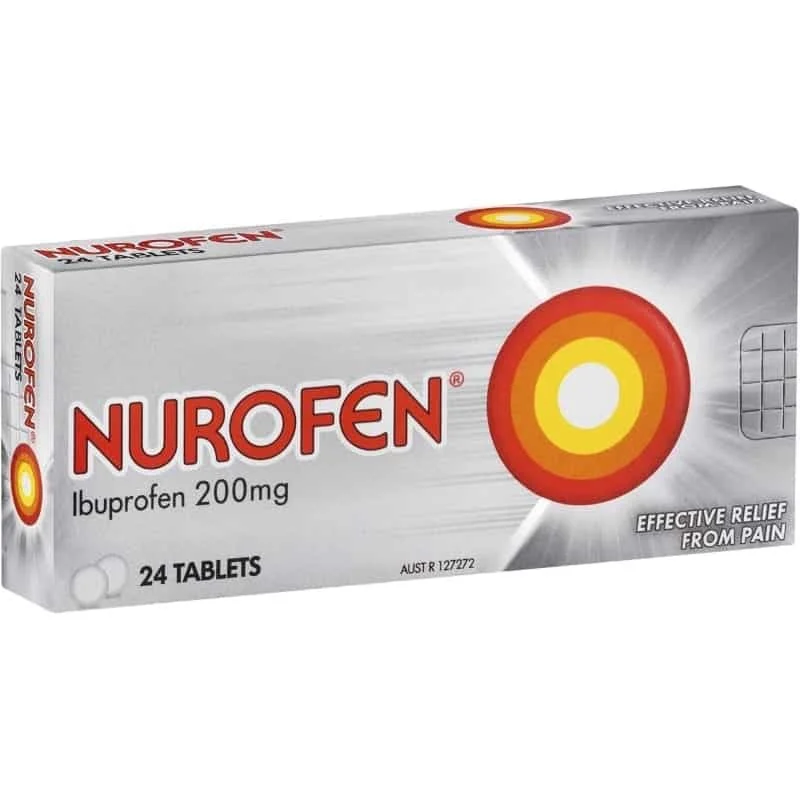
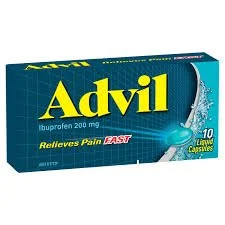
Ibuprofen 200mg tablets or capsules
Ibuprofen 400mg tablets
NOTE: See ‘When to refer to your pharmacist’ on an earlier page. Anti-inflammatories should be used for short periods only (up to 3 days) when pain or inflammation is worse.
-
Ibuprofen relieves pain, reduces inflammation, and helps lower fever.
Ibuprofen 200mg recommended adult dose: 2 tablets initially, then 1-2 tablets every 4-6 hours as necessary (maximum of 6 tablets/capsules in 24 hours).
Ibuprofen 400mg recommended adult dose: 1 tablet every 6-8 hours as necessary (maximum of 3 tablets in 24 hours).
TIP: Ibuprofen should not be used for more than 3 days at a time unless instructed by a doctor. Take with food to reduce the risk of stomach upset.
-
Patients requiring anti-inflammatory action to reduce swelling when pain and inflammation are worse.
Ibuprofen (Oral)
-
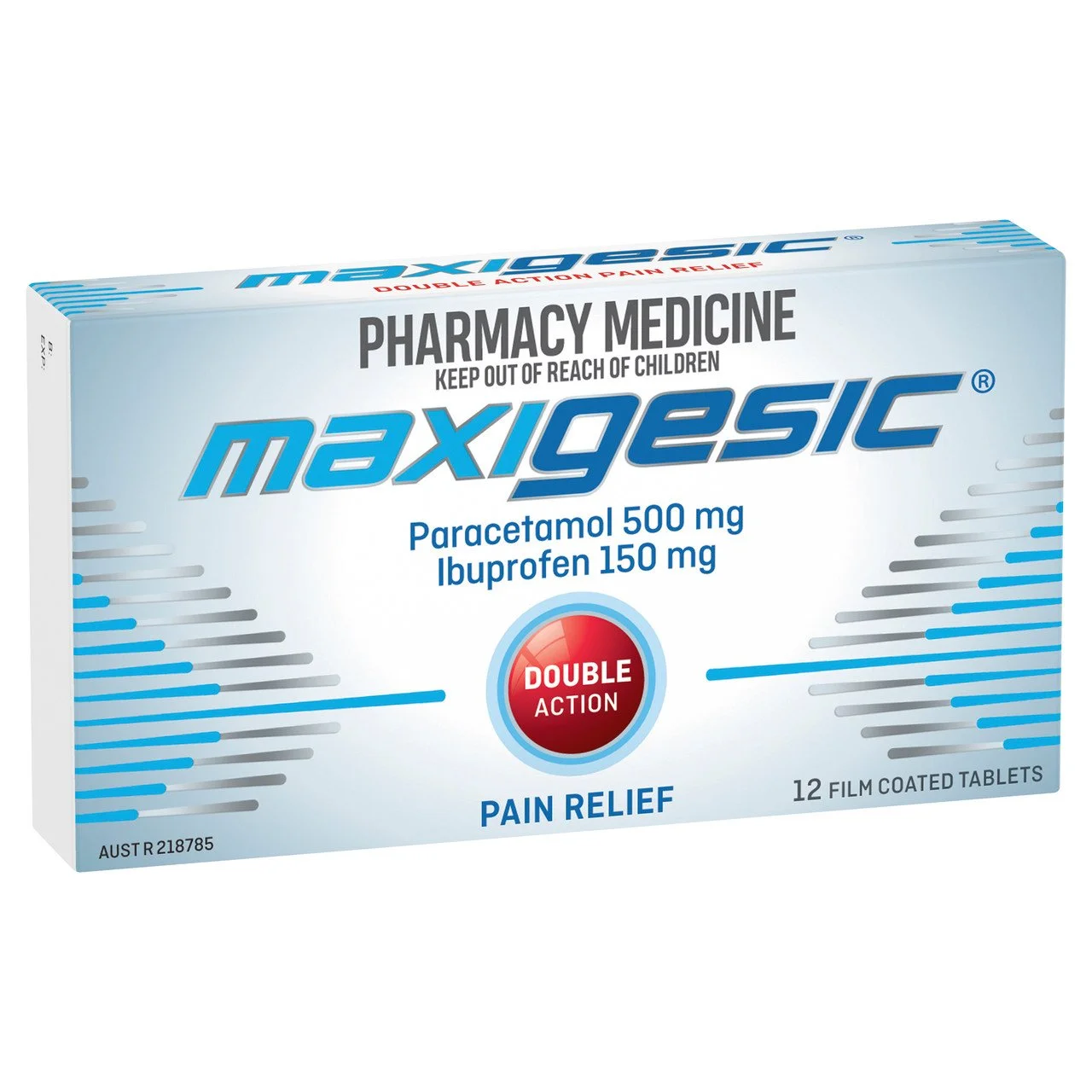
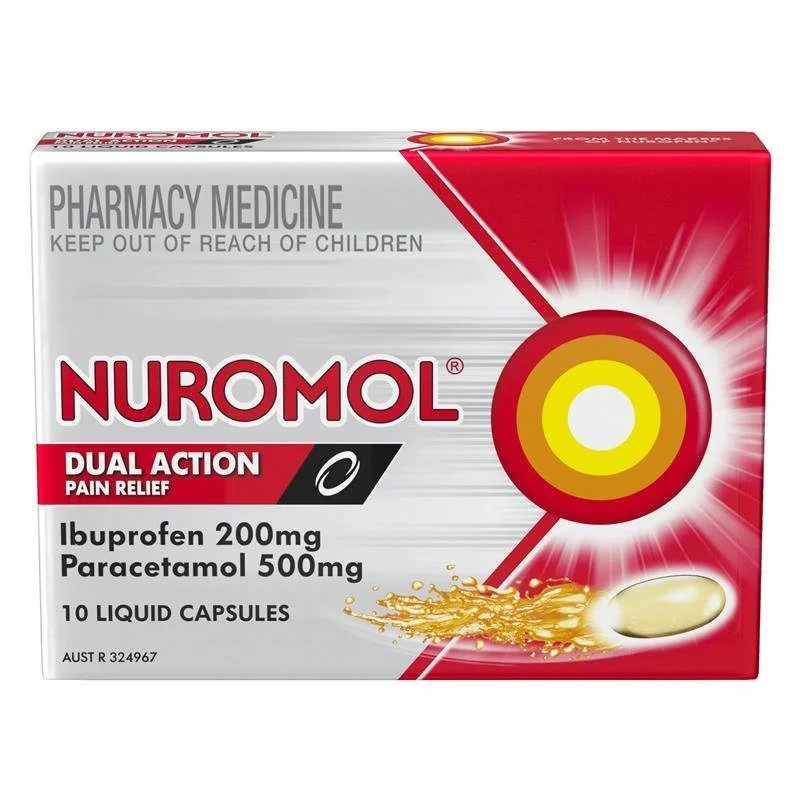
Ibuprofen 200mg + Paracetamol 500mg tablets
NOTE: See ‘When to refer to your pharmacist’ on an earlier page. Anti-inflammatories should be used for short periods only (up to 3 days) when pain or inflammation is worse.
-
Ibuprofen + Paracetamol provides dual-action pain relief by combining the anti-inflammatory effects of ibuprofen with the pain-relieving and fever-reducing properties of paracetamol.
Ibuprofen 200mg + Paracetamol 500mg recommended adult dose: 1-2 tablets every 6-8 hours as necessary (maximum of 6 tablets in 24 hours).
TIP: This combination should not be used for more than 3 days at a time unless instructed by a doctor. Take with food to reduce the risk of stomach upset.
-
Patients needing stronger pain relief where standard ibuprofen or paracetamol alone is insufficient. Suitable for reducing inflammation and pain when symptoms are more severe.
Paracetamol and Ibuprofen (Oral)
-
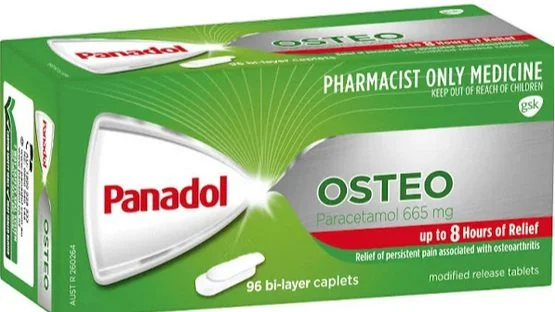
Paracetamol SR 665mg
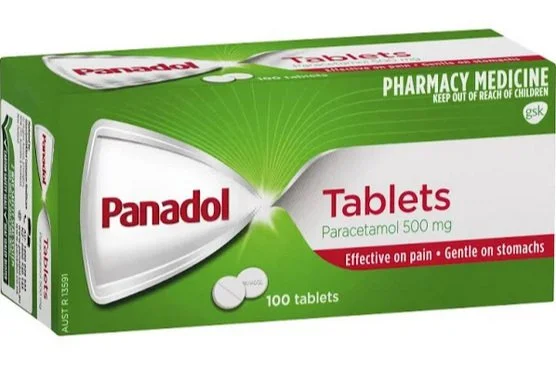
Paracetamol 500mgNOTE: Any version of paracetamol has a maximum daily dose of 4000 mg in any 24 hour period because too much paracetamol can cause liver damage.
Ensure your patient is taking no more than the correct maximum daily dose and are not taking paracetamol in another product, such as a cold preparation. -
SR Paracetamol is indicated for osteoarthritis. The maximum daily (24 hours) dose is 2 tablets 3 times a day (every 8 hours). The tablets release doses in two stages with the first stage being released quickly for rapid action and the second stage released slowly to provide prolonged pain relief.
Paracetamol 500mg provides pain relief, with a maximum daily (24 hours) dose of 2 tablets 4 times a day (every 6 hours).
TIP: Paracetamol is considered a safe and effective therapy to reduce pain and works best when taken regularly.
-
Patients who may be unable to take an anti-inflammatory medicine, such as Diclofenac or Ibuprofen.
Patients who may take it in combination with prescription medicines for pain or inflammation to increase their pain relief.
Patients who have constant pain and require long-term pain relief.
Diclofenac (Oral)
-
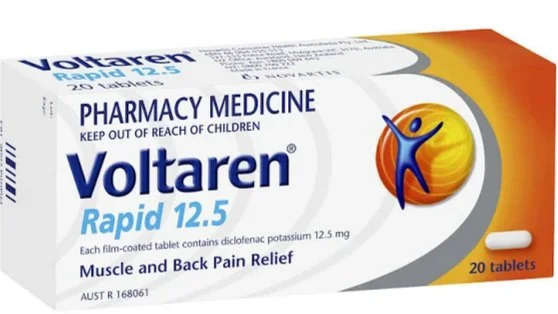
Diclofenac 12.5mg tablets or capsules
Diclofenac 25mg tablets
NOTE: See ‘When to refer to your pharmacist’ on earlier page. Anti-inflammatories should be used for short periods only (up to 3 days) when pain or inflammation is worse.
-
Diclofenac relieves pain and reduces inflammation.
Diclofenac 12.5mg recommended adult dose is 2 tablets initially, then 1-2 tablets every 4-6 hours as necessary (maximum of 6 tablets/capsules in 24 hours).
Diclofenac 25mg recommended adult dose is 2 tablets initially, then 1-2 tablets every 8 hours as necessary (maximum of 6 tablets/capsules in 24 hours).
TIP: Diclofenac should not be used for more than 3 days at a time unless instructed by a doctor.
-
Patients requiring anti-inflammatory action to reduce swelling when pain and inflammation is worse.
Diclofenac (Topical)
Complementary Medicines
-
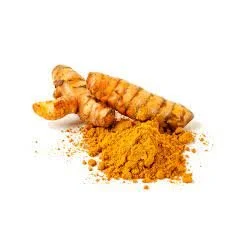
Curcumin - oral
Turmeric - oral
NOTE: Patients on blood thinning medicines, such as warfarin, clopidogrel and aspirin, are advised NOT to take curcumin or turmeric because of the increased risk of blood thinning, potentially to dangerous levels.
Patients with liver or bile duct problems should not take turmeric because of increased bile production.
-
Curcumin and Turmeric have anti-inflammatory properties.
Curcumin is the active anti-inflammatory ingredient found in turmeric.
Follow the dosing instructions and warnings on the product, as the strength/concentration varies by brand.
TIP: Curcumin is the active ingredient extracted from turmeric, so there is no benefit in taking both together, in fact this would increase the risk of side effects.
-
Pain relief data from curcumin and turmeric varies, so patients may find it works for them or not.
Patients who have a preference for natural therapies.
Curcumin and Tumeric
-
NOTE: There are possible risks:
Patients with shellfish allergy should not take glucosamine derived from shellfish.Patients taking blood thinning medicines such as warfarin must talk to their doctor before starting, stopping or changing their dose of glucosamine.
Patients with diabetes should talk to their doctor because glucosamine is a type of sugar.
Patients who are pregnant or breastfeeding – there is insufficient evidence to show that glucosamine is safe for the developing baby.
-
Glucosamine is a sugar naturally produced by the body. It is one of the building blocks of cartilage.
Glucosamine supplements are usually made from crab, lobster or shrimp shells, although some supplements are made from a plant form of glucosamine.
Dose recommendation is 1500mg per day - Follow the dosing instructions and warnings on the product, as the strength/concentration varies by brand.
TIP: Glucosamine sulphate is suggested to be more effective than glucosamine hydrochloride.
-
Patients who have a preference for natural therapies and are not in one of the risk categories.
Glucosamine - Oral
-
NOTE: Patients with allergies to capsaicin or peppers should not use capsaicin.
-
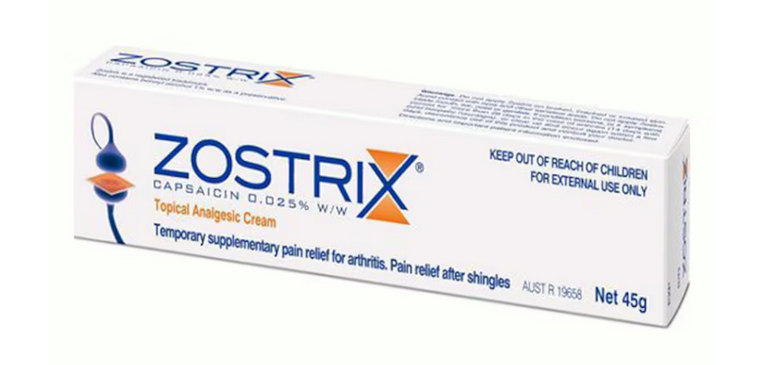
Capsaicin has pain relief and anti-inflammatory properties and is derived from chilli peppers.
Capsaicin works by first creating heat in the area of application which distracts from the pain. Secondly it interferes with pain signals to the brain, which decreases the pain.
Do not use on broken or irritated skin.
Some pain relief may be experienced in the first two weeks of using capsaicin cream, but it can take up to 4 weeks for the full effect to be felt.
-
Patients who have a preference for natural therapies and/or topical application.
Capsaicin cream - topical

-
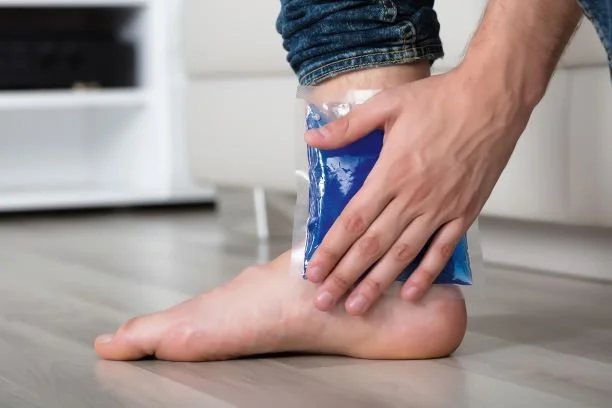
Applying hot or cold packs to the joints can temporarily relieve the pain and symptoms of osteoarthritis in some patients.
Hot or Cold Packs
-
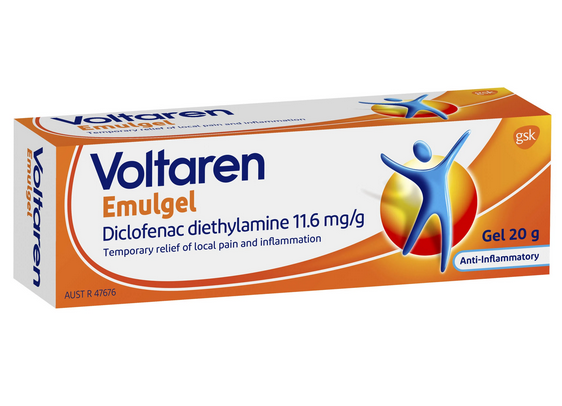
Diclofenac Gel
-
Diclofenac Gels relieve pain and reduce inflammation.
e.g. Voltaren Osteo Gel 12 hourly twice daily application provides long lasting (12 hours) pain relief. Apply between 2g-4g according to treatment area. Apply 2 times a day (morning and evening). Use for up to 21 days for mild osteoarthritis pain unless recommended by a doctor.
-
Patients wanting longer term relief for mild joint pain.
Patients taking oral paracetamol tablets but occasionally needing extra relief from the pain.
-
Omega 3s – Fish oil - Oral
-
Omega 3s reduce inflammation.
It can take 6 weeks to 6 months before the full effect is felt by the patient.
Follow the dosing instructions and warnings on the product, as the strength/concentration varies by brand.
-
Patients who have a preference for natural therapies.