

Chapter 1: Clinical Overview
Antifungals - Topical
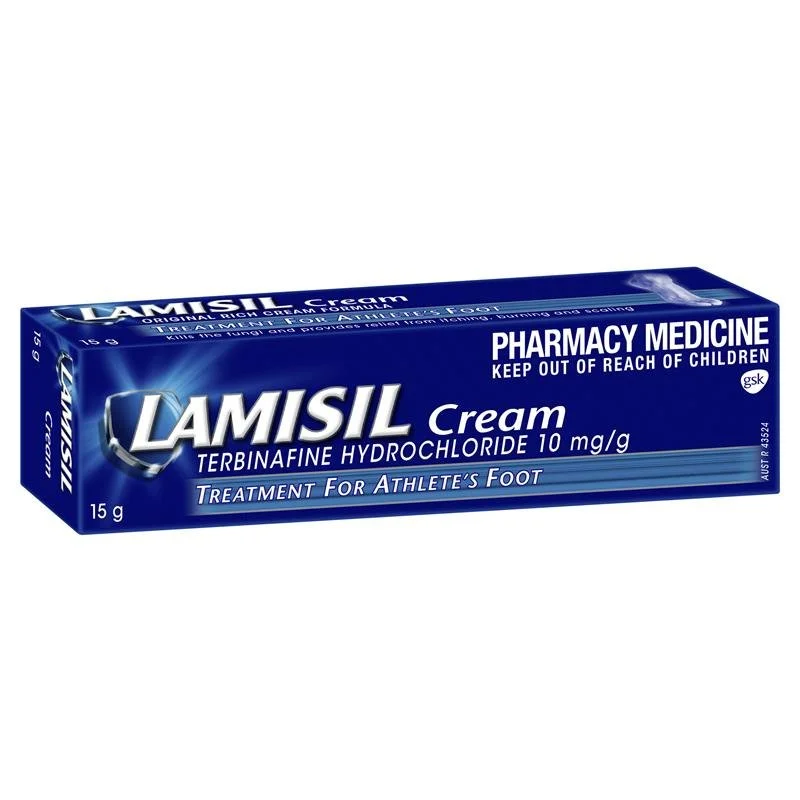
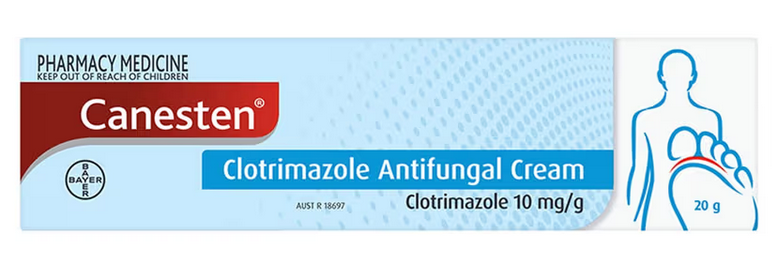
-
Lamisil (Terbinafine 1%)
Canesten (Clotrimazole 1%)
Daktarin (Miconazole 2%)’
Lotrimin AF (Tolnaftate 1%)
-
Lamisil: A fast-acting treatment effective for most tinea infections. Applied once daily for 1–2 weeks.
Canesten: A widely used antifungal cream effective against various fungal infections. Applied 2–3 times daily for up to 4 weeks.
Daktarin: Particularly effective for infections in moist areas like skin folds. Applied twice daily for 2–4 weeks.
Lotrimin AF: Commonly used for athlete’s foot and ringworm. Applied twice daily for 2–4 weeks.
-
Suitable for mild to moderate cases of tinea affecting the skin.
Safe for adults and children over 2 years of age.
Avoid use in individuals with allergies to the active ingredients.
Antifungals - oral (prescription only)
-
Terbinafine Tablets
Itraconazole Capsules
-
Terbinafine Tablets: Effective for severe or nail infections. Taken once daily for 2–12 weeks, depending on the location of the infection.
Itraconazole Capsules: Used for resistant or widespread tinea infections. Taken as directed, often in pulse therapy cycles.
-
Recommended for severe, widespread, or nail infections.
Suitable for adults but may require caution in those with liver or kidney issues.
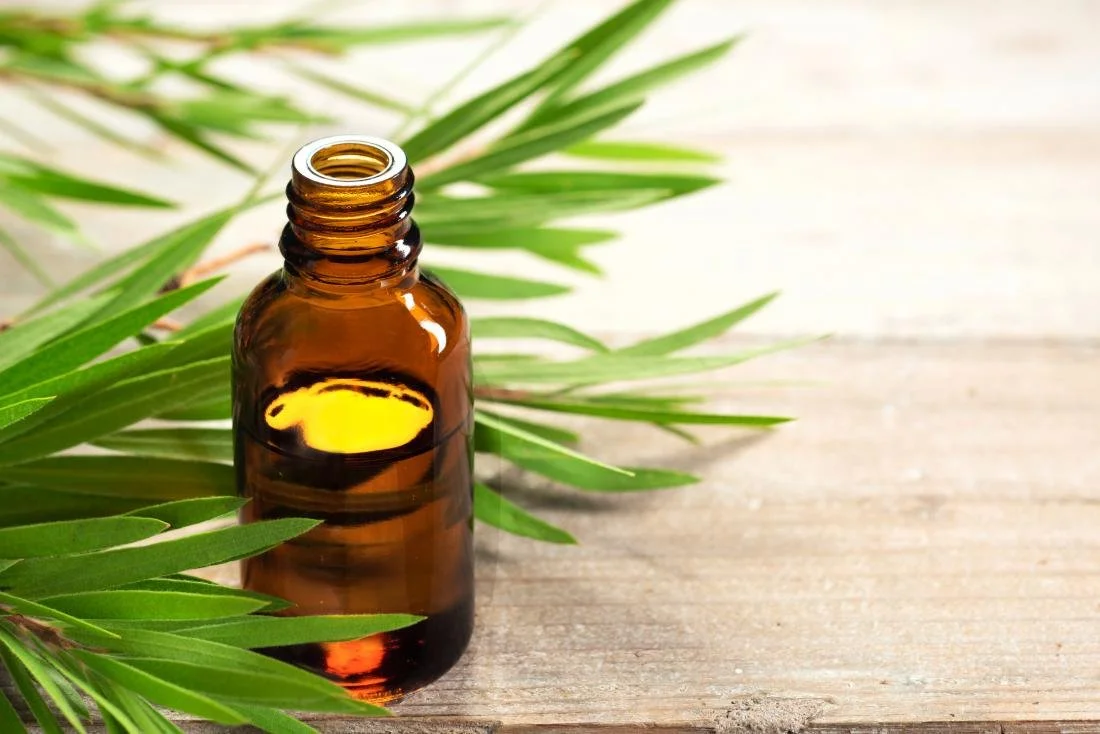
-
Tea Tree Oil: Known for antifungal properties. Used as a diluted topical application to relieve mild symptoms.
Aloe Vera Gel: May soothe irritation and provide a cooling effect on inflamed areas.
Neem Oil: Traditional antifungal remedy used as a topical application.
-
Complementary treatments may provide additional symptom relief but should not replace primary antifungal treatments.
-
Suitable for those seeking natural remedies to support conventional treatments.
Avoid in individuals with sensitivities to essential oils or plant-based products.