
Chapter 1: Clinical Overview
Oral Antihistamines - Pharmacy-only
-
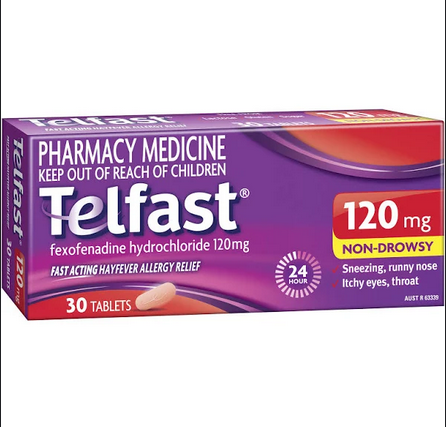
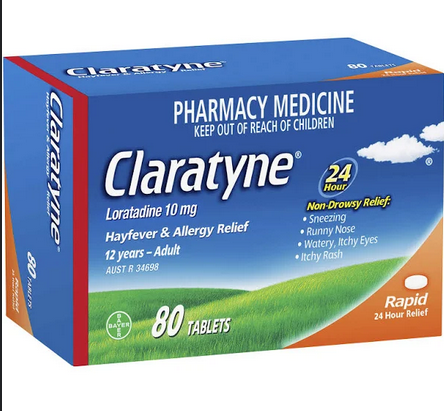
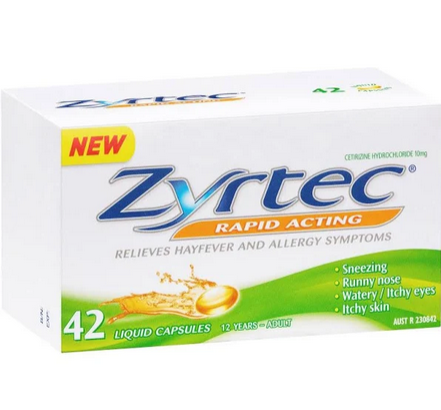
There are several brands with different active ingredients, different strengths and in liquid and tablet formats. Active ingredients:
Cetirizine
Desloratadine
Fexofenadine
Loratadine
Note: These are considered non-drowsy antihistamines, though some may cause a degree of drowsiness in some patients. There are Pharmacist-Only antihistamines which cause drowsiness and are not generally recommended for hay fever. -
The different active ingredients have different dosage regimes – select the product most suitable for the patient.
Antihistamines are most helpful to reduce sneezing, itchy and irritated eyes, and may be less effective at controlling nasal discharge.
Tip: Antihistamines are useful as they work quite quickly and can be taken when symptoms occur and ceased when symptoms subside. -
Patients with mild to moderate hay fever symptoms, meaning the patient is sleeping normally and is not feeling that their hay fever is interfering to any great extent with their daily activities.
Patients who have intermittent symptoms such as up to 4 days a week and for less than 4 weeks in a row.
-
Nasal corticosteroid sprays
-
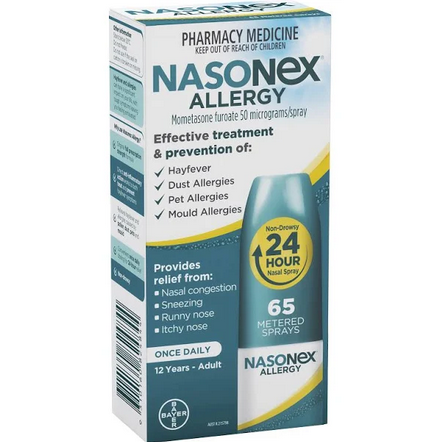
There are a number of brands with different active ingredients, such as:
Beclomethasone
Budesonide
Fluticasone
Mometasone
-
The dosage will depend upon the ingredients in the product, ensure you advise the patient on the correct dosage for the product you recommend.
Tip: These may initially take a few days to provide relief and must be used regularly, as the dosage recommends, to be effective.
-
Patients with moderate to severe hay fever symptoms, meaning that they have symptoms that greatly affect their lives, their sleep is interrupted, and they have some impairment to doing normal daily activities.
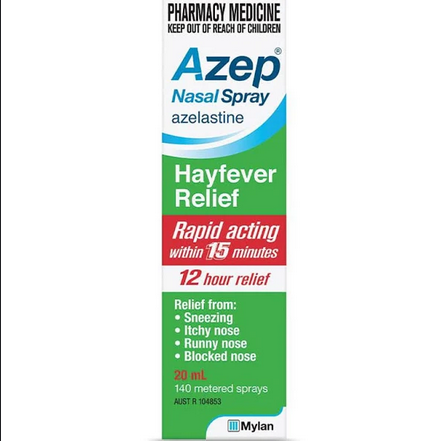
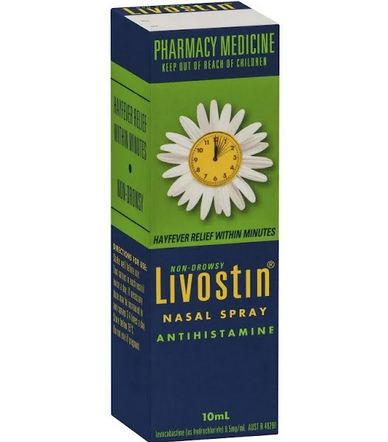
Nasal Antihistamines
-
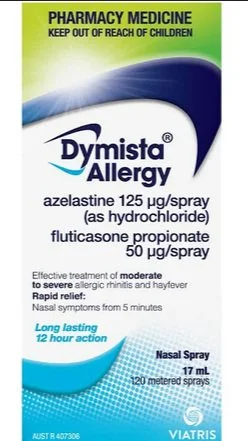
The active ingredients include an antihistamine and a corticosteroid:
Azelastine + Fluticasone
Note: May be used in adults and children 12 years and older. Is suitable for long term use.
-
The recommended dose is one spray in each nostril morning and evening.
There is a specific, recommended way to use and then clean the spray after use – see the instructions inside the box.
Side effects may include drowsiness, damage to the skin and mucous membrane in the nose, blurred vision, bitter taste, irritation in nose and more.
Refer to the pharmacist if the patient is pregnant or breastfeeding.
-
Patients with moderate to severe hay fever symptoms, meaning that they have symptoms that significantly affect their lives, their sleep is interrupted, and they have some impairment to doing normal daily activities.
Nasal combination sprays
-
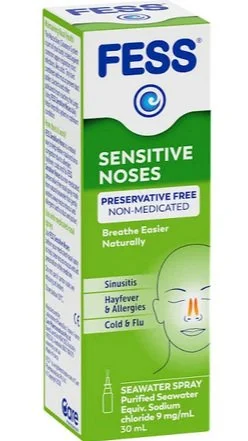
There are a number of different brands, all containing saline.
Note: Saline helps to clear the nasal passages of allergen build up, such as accumulated pollen.
Saline nasal sprays and drops are isotonic with the nasal membranes so they should not cause pain or stinging, unless there is an open cut or wound, in which case they can cause temporary discomfort. -
Saline is a combination of water and salt.
The saline lubricates and flushes out the nasal passages.
May be used as often as necessary.
In newborns or babies use the drops, rather than the spray.
-
Patients with any degree of hay fever symptoms, who want to limit or reduce their symptoms.
-
Saline nasal spray, drops and wash
Associated Pharmacy Medicines
-
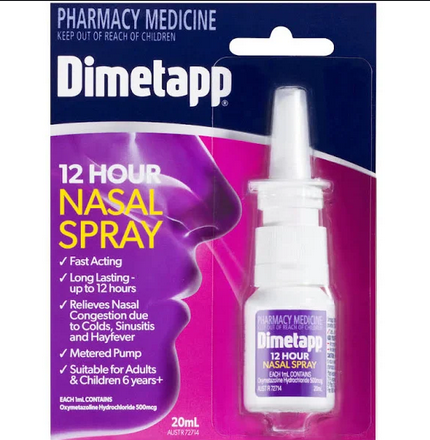
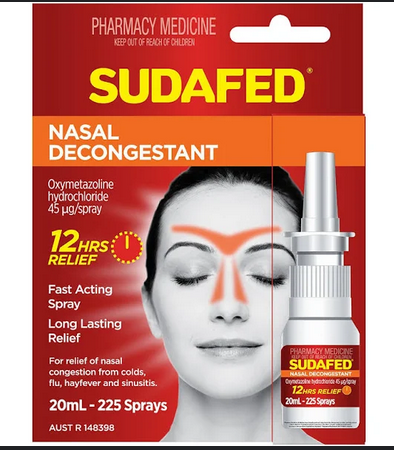
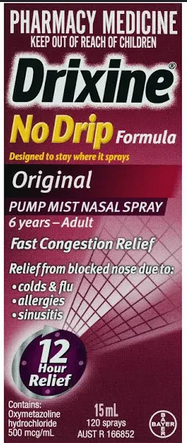
These may be oral, nasal sprays or eye drops.
Note: These medicines should only be used short term, a few days, to reduce nasal mucous and redness in the eye.
They should not be a mainstay of treatment for hay fever. -
See the Hive Training Runny and Blocked Nose for more in-depth information on decongestants.
-
Decongestants
-
The active ingredients are:
Azelastine
Levocabastine
Note: Azelastine can be used for up to 6 months.Levocabastine can be used for up to 8 weeks.
Tip: Ensure you explain to the patient how to use the nasal spray correctly – see leaflet in the box.
-
Check the dosage recommendations on the product, including age limits.
Side effects may include a bitter taste in the mouth, stinging or itching in the nose, nausea, headache, drowsiness and bleeding nose.
-
Patients with mild to severe hay fever symptoms.
-
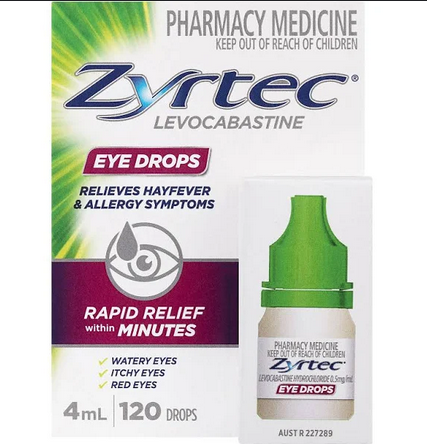
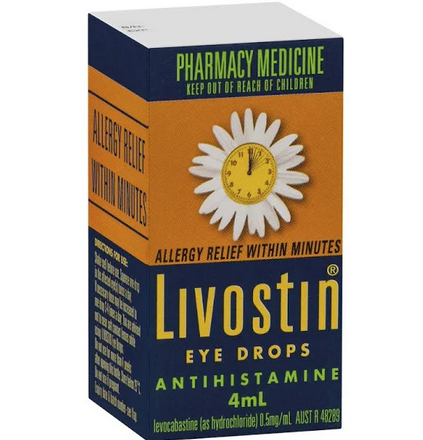
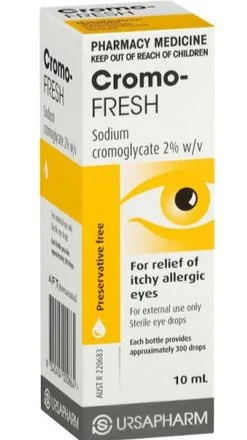
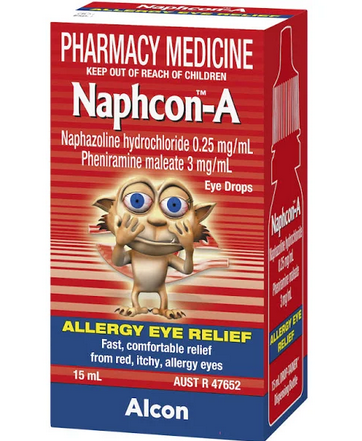
There are a number of brands with different active ingredients, and sometimes combinations of ingredients, such as:
Azelastine
Ketotifen
Levocabastine
Naphazoline + Antazoline
Naphazoline + Pheniramine
-
The different active ingredients have different dosage regimes and are suitable for different ages – check the recommendations on each product and choose the best option for the patient.
Side effects may include irritation or pain in the eye, taste distortion, coughing, blurred vision and more.
Refer to the pharmacist if the patient is pregnant or breastfeeding.
-
Patients with itchy, red and watery eyes caused by allergies – this occurs most commonly in people with moderate to severe hay fever.
Check with the pharmacist if itchy, watery eyes is the only hay fever symptom the patient has.
-