
Chapter 1: Clinical Overview
-
![]()
Limit exposure to known triggers for the specific patient, such as:
Soaps, including bubble bath, shampoos and detergents.
Allergens like animal hair, perfumes, house dust mites, grasses, pollens and certain clothes.
Preservatives in food and skin products.
Foods such as dairy, wheat, citrus, eggs, nuts.
Dry air environment, such as that caused by air conditioning.
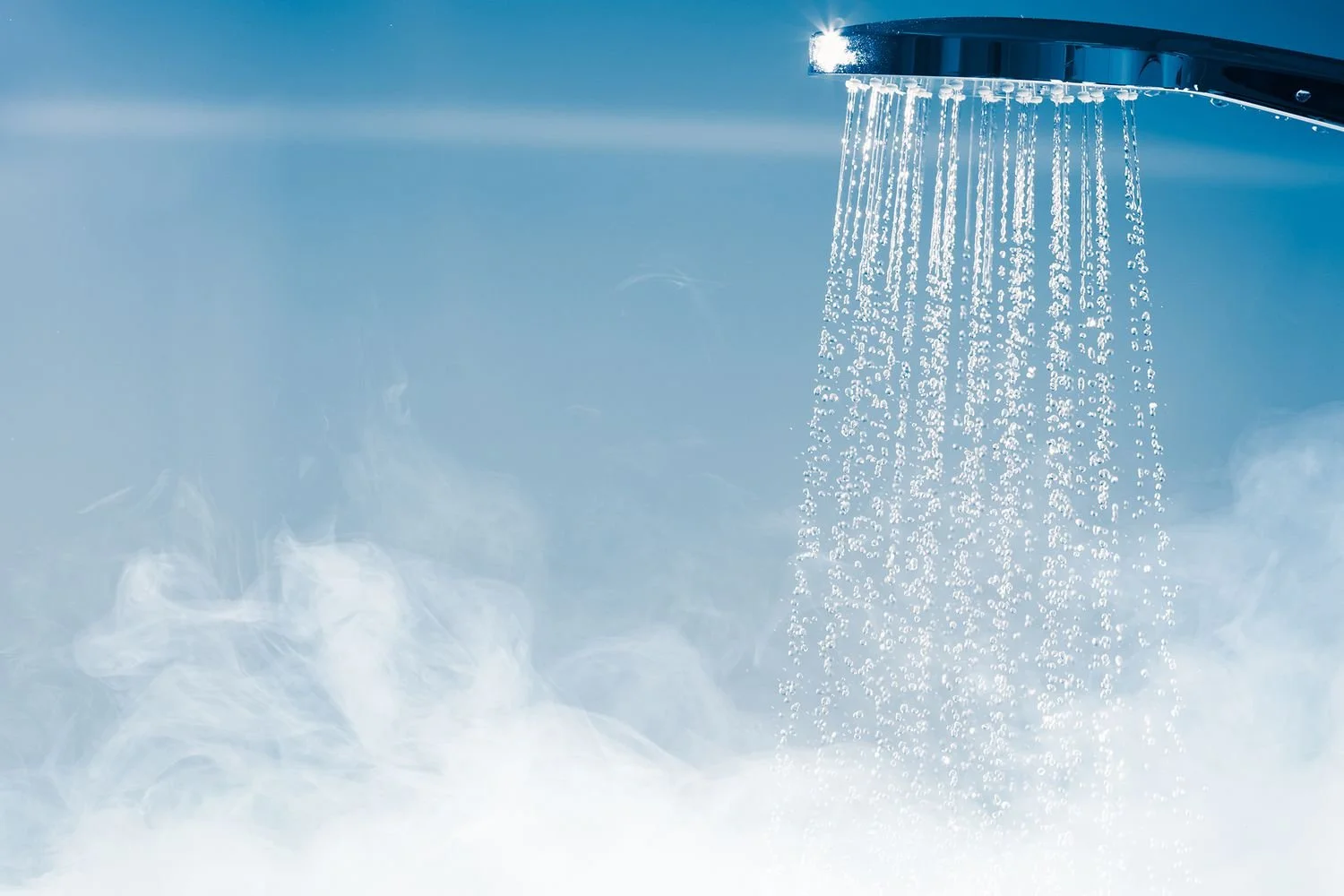
Getting too hot or cold, including avoiding taking hot showers, rather suggest lukewarm ones.
Smoke.
-
![]()
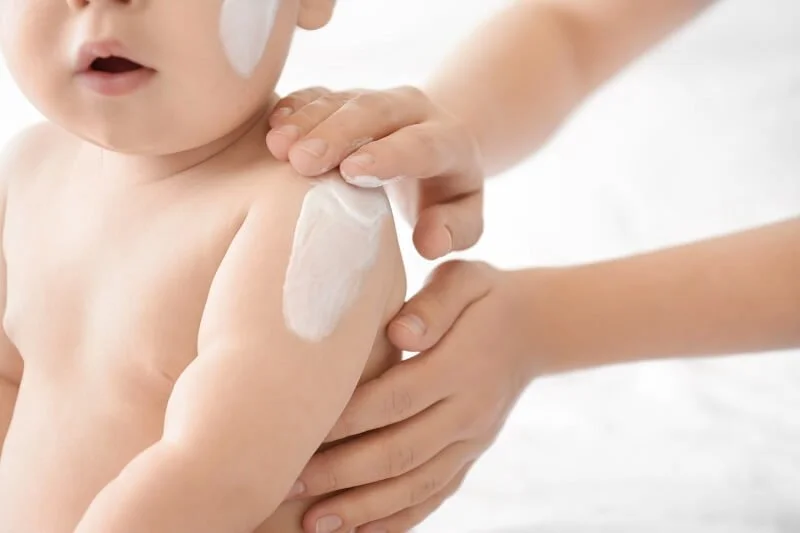
Keep the skin well hydrated:
Use an appropriate moisturiser at least once a day.
Use soap alternatives to wash hands, face and body.
Bath oils can help to moisturise the skin while bathing.
Apply medicated creams and ointments from the pharmacy or on prescription in the correct way, correct amount and correct frequency.
-
![]()
Avoid behaviours that make it worse:
Avoid using ordinary soaps.
Avoid hot showers that tend to dry out the skin.
Pat dry the skin after a bath or swim rather than rubbing.
Avoid dry environments, that tend to dry out the skin, such as heating air conditioning or very cold winter days.
Avoid wearing woollen garments next to the skin.