

Chapter 1: Clinical Overview
What is Diarrhoea?
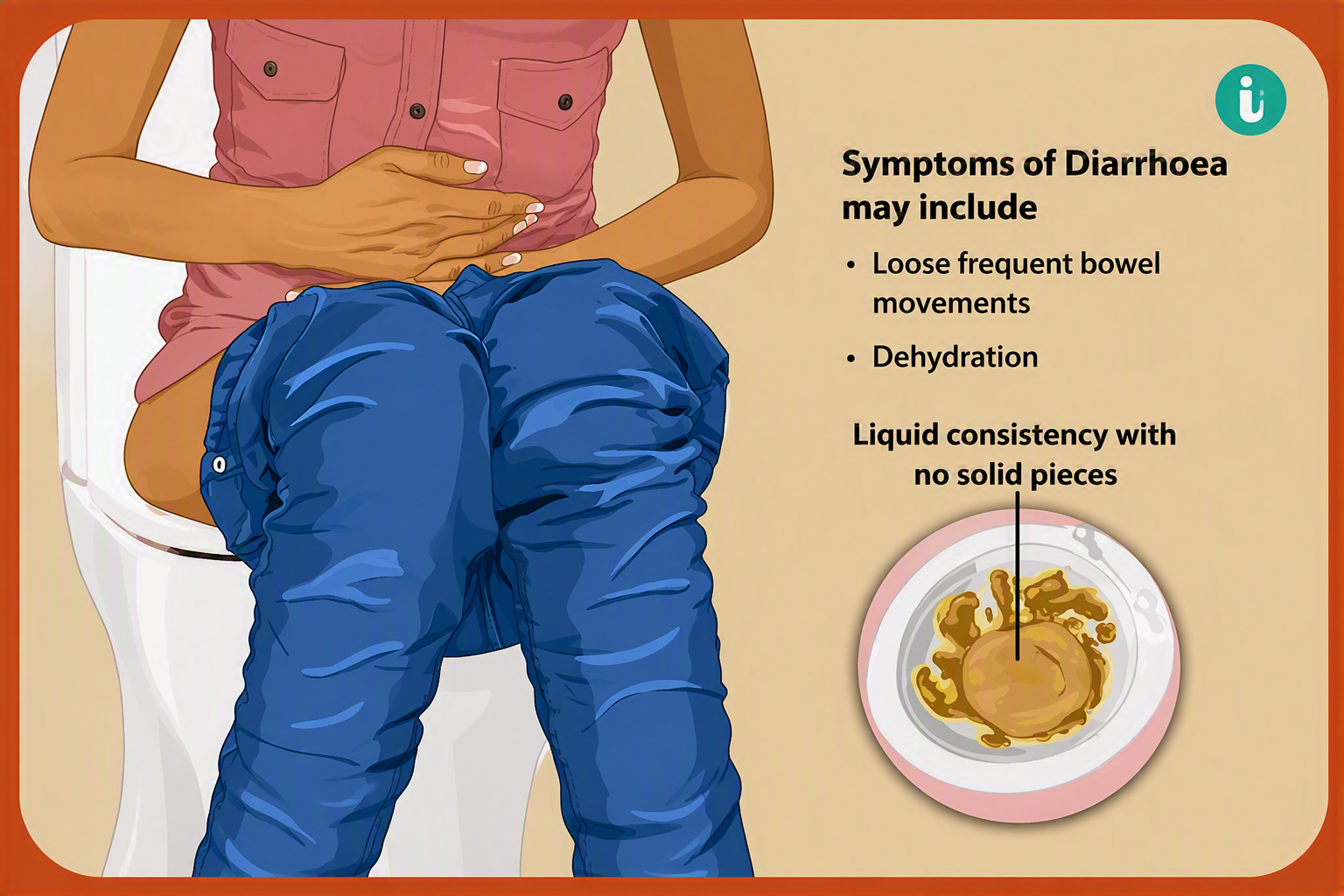
Diarrhoea means passing soft or watery stools more often than is normal for the person. Everyone’s normal bowel pattern is different, so the customer’s usual pattern is the starting point.
Diarrhoea is a symptom, not a disease.
What usually happens?
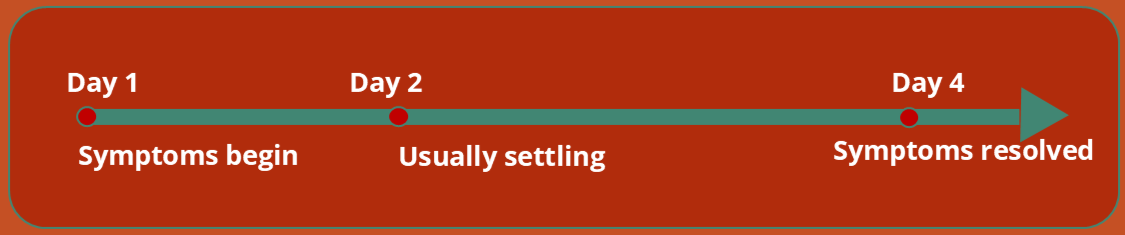
Most diarrhoea is caused by an infection in the gut and usually starts quickly. Vomiting may happen before or at the same time and often settles before the diarrhoea does.
Most cases improve within 2 to 4 days without treatment.
Vomiting can occur with diarrhoea
Vomiting often occurs alongside diarrhoea. It may start before or at the same time as the diarrhoea and usually settles first.
Vomiting can make it difficult for the customer to keep fluids down. Because replacing lost fluids is the most important part of managing diarrhoea, severe vomiting or being unable to keep fluids down needs pharmacist assessment.
Who is most at risk?
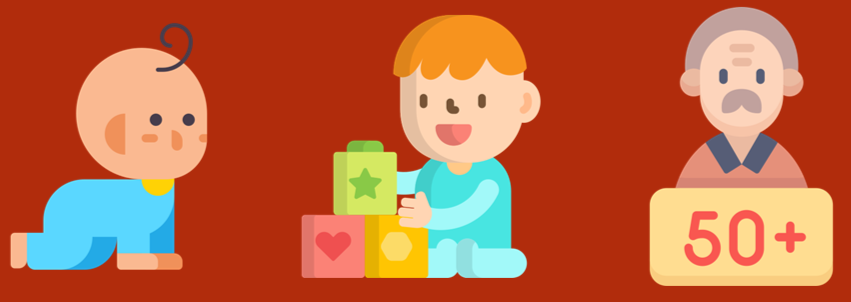
Diarrhoea can affect anyone, but dehydration is more likely to become serious in:
babies
young children
older people
Children under 5 experience diarrhoea particularly often.
The main risk is dehydration
The main danger from diarrhoea is not the diarrhoea itself. It is dehydration.
Replacing lost fluid and salts comes before every other product on the shelf.
Your role in community pharmacy
Your role is to:
listen carefully
ask the right questions
check for dehydration
recognise warning signs
understand the available treatment options
know when the pharmacist must take over
You do not tell the customer what is causing their diarrhoea.