

Chapter 1: Clinical Overview
Supporting recovery at home
Fluids, food, skin care and hygiene all matter during diarrhoea.
Select the (+) in each section to review the main self-care advice.
-
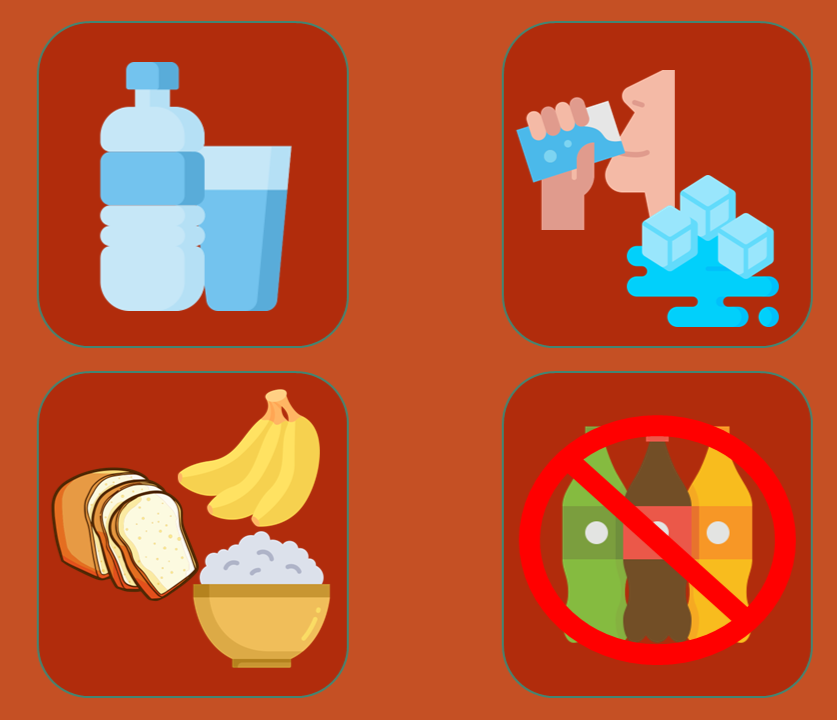
Oral rehydration salts are better than water alone because they replace both fluid and salts.
Keep drinking until the diarrhoea stops, not just until the customer feels better.
-
If the customer feels sick, small frequent sips are easier to keep down than a full glass.
Chilling the solution or using ice blocks may make it easier to take, especially for children.
Do not add cordial or juice because this changes the balance of the solution.
-
There is no need to stop eating. Return to normal food as soon as it is tolerated.
Starchy foods such as bananas, rice and bread may be easier to manage. Cut back on fatty, sugary and spicy foods for a few days.
-
Avoid:
soft drinks
cordial
fruit juice
sports drinks
alcohol
caffeine
Sports drinks are not the same as oral rehydration solutions.
-
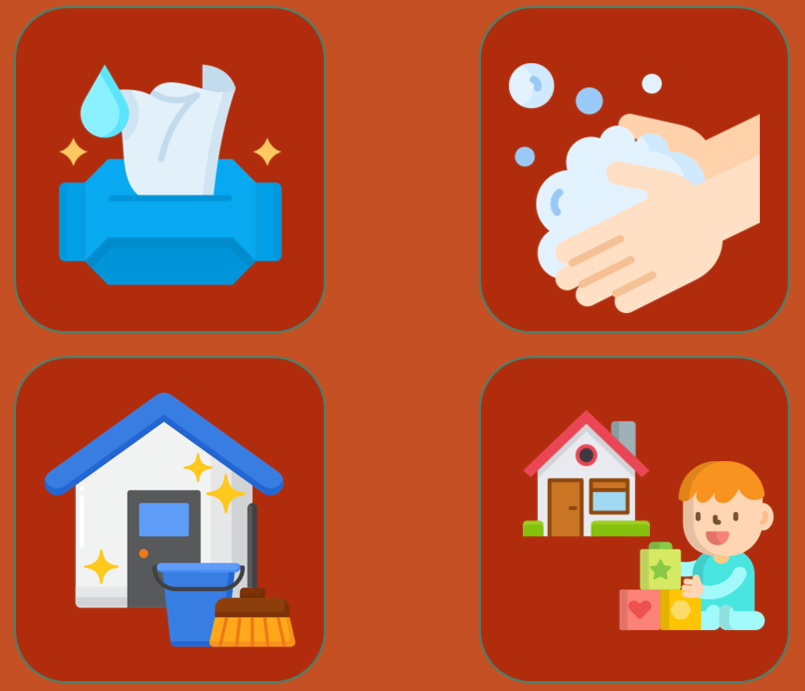
Frequent trips to the toilet can make the skin sore. Wipes may help, and a barrier cream containing zinc oxide may protect the skin.
-
Good handwashing is one of the best ways to stop diarrhoea spreading through a household.
Wash with warm water and soap after using the toilet, before and after food, and after every nappy change.
-
Regularly clean surfaces that are touched often, including:
kitchen benches
toilet seats
taps
nappy change tables
-
Children with diarrhoea should stay away from childcare and school until they are clear.
If the customer asks exactly how long, involve the pharmacist.