

Chapter 1: Clinical Overview
What causes diarrhoea?
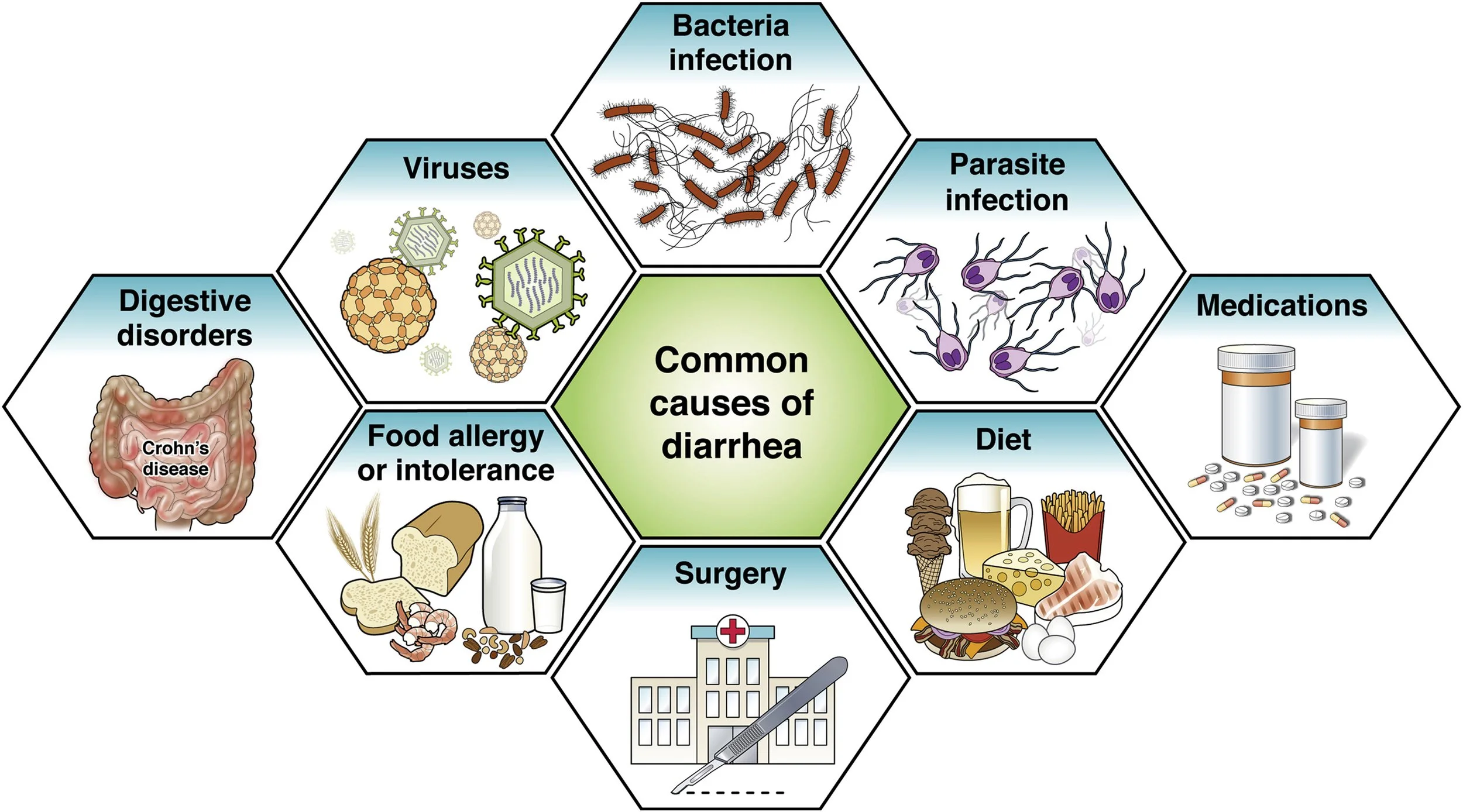
Most diarrhoea seen in community pharmacy is caused by an infection. Medicines are another common cause that customers may not think about themselves.
Select the (+) in each section to explore the main causes.
-
Most infectious diarrhoea is caused by viruses. Common examples include:
rotavirus
norovirus
Rotavirus is a major cause in children under 2 years. In Australia, babies are vaccinated against rotavirus free of charge.
-
Diarrhoea may also be linked to:
• bacteria from contaminated food or drink
parasites from untreated water or travel
contact with someone who has diarrhoea
outbreaks in childcare centres or aged care homes
animal droppings
a recent change in diet
-
Medicines are one of the most common causes after infection. Examples include:
antibiotics
metformin and some other diabetes medicines
anti-inflammatory painkillers
some antidepressants
magnesium-containing antacids
medicines that reduce stomach acid
some blood pressure medicines
bone-strengthening medicines
some heart rhythm medicines
cancer treatments and medicines that suppress the immune system
If a customer thinks a medicine is causing diarrhoea, do not tell them to stop it. Refer them to the pharmacist.
-
Less common causes include:
irritable bowel syndrome
giardia, often linked with travel
severe constipation where liquid stool leaks around the blockage
Rarer causes include bowel disease, bowel cancer and problems absorbing food.
A cause that is easy to miss